


Vending machine Tokens
Good Quality Vending machine Tokens | Coinop Spare
Vending machine tokens are specifically designed coins or tokens that are used as a form of payment to operate vending machines. Instead of using regular currency, users insert these tokens into the machine to purchase a snack, beverage, or other product. Vending machine tokens are typically sold by the vending machine operator or can be obtained from designated locations. They are often made of metal or plastic and are the correct size and weight to fit into the vending machine's coin slot.
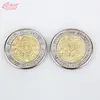
Personalized Metal Coin Tokens Bimetal Coins
Model NO.:GT-55
USD0.02 - USD0.20
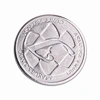
Custom Vending Machine Metal Tokens
Model NO.:GT-53
USD0.02 - USD0.20
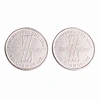
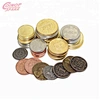
No Cash Vaule Eagle Coin Freedom Token
Model NO.:GT-43
USD0.02 - USD0.20

Custom Metal Gold Plated Vending Machine Token
Model NO.:GT-09
USD0.02 - USD0.20
- 1
Are vending machine tokens accepted in all machines?
No, vending machine tokens are not accepted in all machines. Vending machine tokens are typically designed to be used within specific vending systems or networks. Each network or provider of vending machines may have their own unique tokens that are compatible only with their machines. It's important to check with the specific vending machine operator or location to determine if their machines accept tokens and if they have their own specific tokens for use.
Are there different denominations of vending machine tokens?
Yes, there can be different denominations of vending machine tokens. Some vending machine operators or networks may issue tokens in various values, which allows customers to purchase items at different price points. For example, there may be tokens in denominations such as $1, $5, or $10, depending on the pricing structure of the vending machine or the products being sold.
How do vending machine tokens differ from regular coins?
Vending machine tokens are specifically designed for use in vending machines, whereas regular coins are the official currency of a country. Here are some key differences:
Purpose:
Vending machine tokens are intended to be used exclusively in vending machines to purchase products or services. Regular coins, on the other hand, are used for general transactions in the economy.
Legal Tender:
Regular coins are recognized as legal tender and can be used in any transaction, while vending machine tokens have limited acceptance and are only usable in specific vending machines.
Design:
Vending machine tokens often feature specific designs or logos related to the vending machine operator or the products being sold. In contrast, regular coins generally bear the official symbols and markings of a country.
Value:
Vending machine tokens typically have a fixed value predetermined by the operator, such as $1, $5, or $10. Regular coins, however, come in various denominations that are recognized as legal currency, such as 1 cent, 5 cents, 25 cents, etc.
Material:
Vending machine tokens can be made from various materials like plastic, aluminum, or brass. Regular coins, based on the country's currency, are typically made from metal alloys.
It's important to note that vending machine tokens are only usable in specific vending machines that are programmed to accept them. Regular coins, on the other hand, can be used in any transaction where they are accepted.
What are the benefits of using vending machine tokens instead of coins?
Using vending machine tokens instead of coins can provide several benefits:
Convenience:
Vending machine tokens offer a more streamlined and efficient method of making purchases in vending machines. Instead of searching for specific coins or dealing with a combination of different denominations, users can simply insert tokens with a predetermined value.
Reduced Cost:
Vending machine tokens can be more cost-effective for business owners operating vending machines. Tokens can be purchased in bulk at a lower cost than the equivalent value in coins. This can help reduce expenses and increase profit margins.
Security:
Vending machine tokens, especially those with unique designs or custom markings, can enhance security. Tokens reduce the risk of theft or counterfeiting because they only hold value within the specific vending machine system.
This can help protect revenue and maintain the integrity of the vending machine operation.
Branding and Marketing:
Vending machine tokens can be customized with specific designs, logos, or branding elements. This offers a unique opportunity for businesses to promote their brand or products with visually appealing tokens. Custom tokens can leave a lasting impression on customers and potentially increase brand recognition.
Cashless Transactions:
Vending machine tokens enable a cashless payment option for customers. This can be especially beneficial in situations where carrying physical coins is inconvenient or not preferred by customers. By accepting tokens, vending machines can provide a more modern and convenient payment experience.
Inventory Control:
Vending machine tokens can assist in tracking inventory and sales more efficiently. Operators can easily monitor token usage to analyze demand for specific products, manage stock levels effectively, and make informed business decisions based on transaction data.
Overall, vending machine tokens offer convenience, cost-saving advantages, security, branding opportunities, cashless payment options, and improved inventory management, making them a preferred alternative to traditional coins in vending machine transactions.