Subscribe to our Newsletter
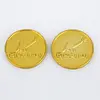
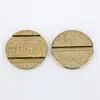
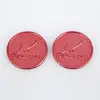
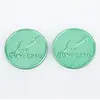
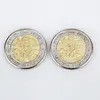
Model No: GT-09
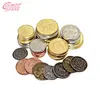
Custom Metal Gold Plated Vending Machine Token
A vending machine token is a specific type of coin that is used to operate vending machines and other coin-operated machines.
Delivery :
FOB
minimum order :
5000 pieces
Supply Ability :
1000000pieces / Day
Stock Time :
Depends on the quantityDay
Country of Origin :
Guangzhou, Shenzhen, Hong Kong
Quantity :
USD0.02 - USD0.20 / pieces
Features of token coin:
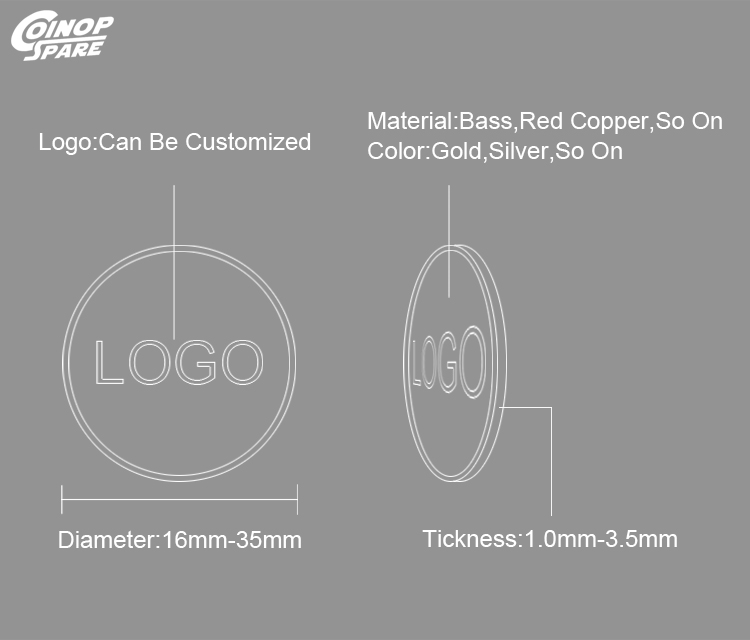
Diameter | 16-35mm |
Thickness | 1.0-3.5mm |
Material | Brass, Stainless Steel, Red Copper, Cupronickel, Iron |
Color | Gold, Silver |
Design | Customized. Mould fee is USD 80 if quantity is less than 30,000 pcs |
Categories | Amusement, Gaming, Car Wash, Vending, Pressed Pennies, Promotion |
What is a vending machine token?
A vending machine token is a small, disc-shaped object that serves as a substitute for traditional coins or bills, allowing users to purchase items from vending machines. These tokens are often made of metal or durable plastic and are designed to fit into specific vending machines that accept them. Although their use has diminished with the rise of digital payment options, vending machine tokens still hold significance in niche markets and certain applications.
History and Purpose
Vending machine tokens have a rich history that dates back to the early 20th century, coinciding with the advent of automated retail. The aim of introducing tokens was to provide a more reliable and efficient method of conducting transactions, mainly in locations where traditional currency might be less practical. Tokens helped prevent issues such as theft or loss of small change, which could occur in high-traffic areas.
In many cases, tokens are custom-made for specific vending machines or locations. This helps in ensuring that only valid tokens can be used to access the products. By limiting token usage, vending machine operators can maintain better control over inventory and cash flow.
Design and Functionality
Typically, vending machine tokens feature distinct designs, such as branding elements or specific emblems representing the business or organization. This uniqueness helps to distinguish them from regular coins, reducing the likelihood of misuse.
To operate, users insert tokens into the machine’s coin slot, triggering the mechanism to dispense the chosen item. Once inserted, the machine recognizes the token’s design or weight, ensuring it is genuine and valid. If accepted, the machine releases the product, and if rejected, the user can retrieve their token.
Applications
While the most common use of vending machine tokens is in snack and beverage dispensers, they also find applications in other sectors. Some entertainment venues, for instance, use tokens for arcade games or amusement rides. This setup allows for a cashless experience, which can enhance customer convenience and operational efficiency.
Tokens can also serve as a marketing tool. Businesses can create unique tokens that are redeemable for special offers, driving customer engagement and loyalty. This strategy is often employed in loyalty programs or promotional events, where customers are incentivized to collect tokens for discounts or free products.
Digital Alternatives
In recent years, technological advancements have drastically changed the landscape of vending machine transactions. Mobile payment systems, contactless credit and debit cards, and other digital solutions have largely supplanted the use of physical tokens. These systems offer greater flexibility and ease of use, as customers can purchase items without needing to carry around specialized tokens or cash.
Despite the trend towards digital payments, vending machine tokens still retain a place in certain contexts. They are particularly advantageous in locations where technology infrastructure is lacking, such as remote areas or specific recreational facilities.
Vending machine tokens, with their unique design and purpose, have served an important role in automated retail for over a century. While their prevalence has declined due to digital alternatives, they continue to hold value in niche markets where cash or electronic payments may not be viable. Whether used for convenience, branding, or marketing, vending machine tokens remain an interesting facet of the vending machine landscape.
A vending machine token is a small coin-like object that is used to operate vending machines and other coin-operated machines. Tokens are usually made of inexpensive materials like plastic or metal, and they are often offered as an alternative to regular coins or cash. Tokens are usually specific to particular vending machines or to a particular brand, and they cannot be used elsewhere. Using tokens instead of regular coins is often more convenient for vending machine users, as it eliminates the need for carrying exact change or searching for specific coins.
Are vending machine tokens different from regular coins?
Yes, vending machine tokens are different from regular coins in that they are not usually intended for circulation as currency. Tokens are often produced in bulk and are frequently made from less valuable materials than coins, such as plastic or brass. While tokens are similar in size and shape to traditional coins, they are generally only accepted in the specific vending machine or coin-operated machine for which they were designed. In contrast, regular coins are legal tender that can be used to make purchases across a variety of merchants and establishments.
How are custom vending machine tokens made?
Custom vending machine tokens are typically made using a process called die striking. Die striking is a metalworking technique that involves stamping metal pieces from sheet metal using a die or mold. Here's how custom vending machine tokens are made:
1. Design creation: The first step in creating a custom vending machine token is designing the token itself. Businesses can work with a designer or manufacturer to create unique designs or logos that will be stamped onto the tokens.
2. Die creation: Once the design is finalized, a die or mold is created that will be used to stamp out the tokens. The die is typically made of hardened steel and is precision-cut to ensure accuracy and consistency in the final product.
3. Material selection: Manufacturers then select the materials that will be used to create the tokens. Common materials include brass, copper, and nickel silver.
4. Punching: The sheet metal is then punched from flat sheets of metal, using a machine that cuts and shapes the metal into the desired token shape.
5. Striking: The next step is striking, where the metal blank is placed between two dies, and force is applied using a stamping press to imprint the design onto the token.
6. Polishing and Plating: Once the tokens are struck, they are polished and plated in gold or other finishes to create the desired appearance.
7. Inspection and Shipping: The finished tokens undergo an inspection for quality control. Then they are packaged and shipped to the business, ready for use in their vending machines or coin-operated machines.
1. Design creation: The first step in creating a custom vending machine token is designing the token itself. Businesses can work with a designer or manufacturer to create unique designs or logos that will be stamped onto the tokens.
2. Die creation: Once the design is finalized, a die or mold is created that will be used to stamp out the tokens. The die is typically made of hardened steel and is precision-cut to ensure accuracy and consistency in the final product.
3. Material selection: Manufacturers then select the materials that will be used to create the tokens. Common materials include brass, copper, and nickel silver.
4. Punching: The sheet metal is then punched from flat sheets of metal, using a machine that cuts and shapes the metal into the desired token shape.
5. Striking: The next step is striking, where the metal blank is placed between two dies, and force is applied using a stamping press to imprint the design onto the token.
6. Polishing and Plating: Once the tokens are struck, they are polished and plated in gold or other finishes to create the desired appearance.
7. Inspection and Shipping: The finished tokens undergo an inspection for quality control. Then they are packaged and shipped to the business, ready for use in their vending machines or coin-operated machines.
What are the advantages of using vending machine tokens?
There are several advantages to using vending machine tokens:
1. Convenience: Using tokens is often more convenient than carrying around exact change or searching for specific coins.
2. Security: Vending machine tokens are less attractive to thieves than cash, as they have no value outside of the specific vending machine or coin-operated machine for which they are intended.
3. Cost-effective: Vending machine tokens may be cheaper to produce than actual coins due to the materials and production process used.
4. Customizability: Vending machine tokens can be customized with specific designs or branding, allowing businesses to better market their products or services.
5. No change given: With vending machine tokens, the exact amount of the item is charged and no change is given which removes the need for the machine to have an inbuilt change dispenser or for the customer to"feed"the machine with the exact change.
Lead time
Quantity (pieces) | 1 - 5000 | >5000 |
Lead time (days) | 7 | To be negotiated |
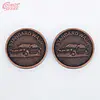
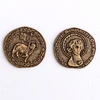
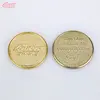
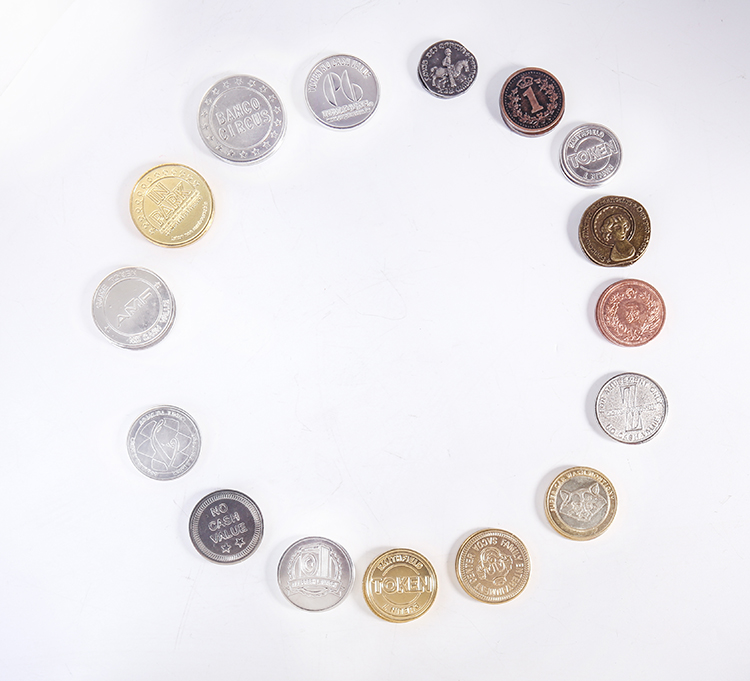
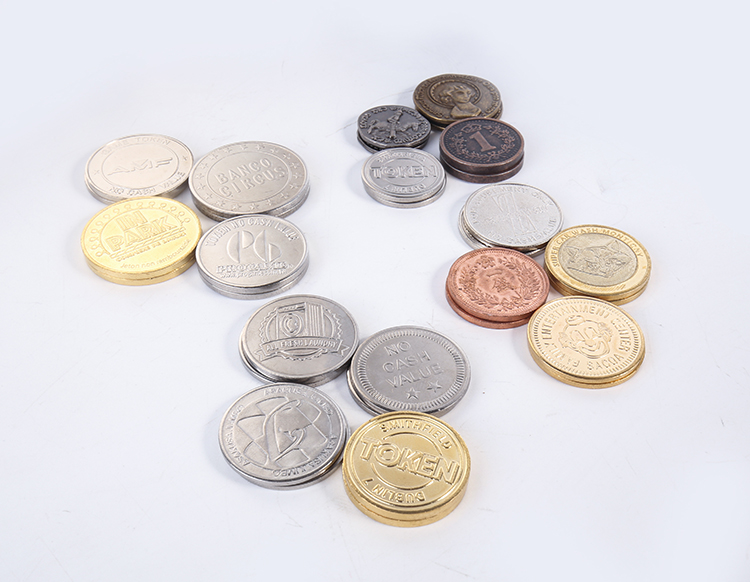
Pictures of game token:
Related Products