
How is the Game Console Market Currently
2024-02-22
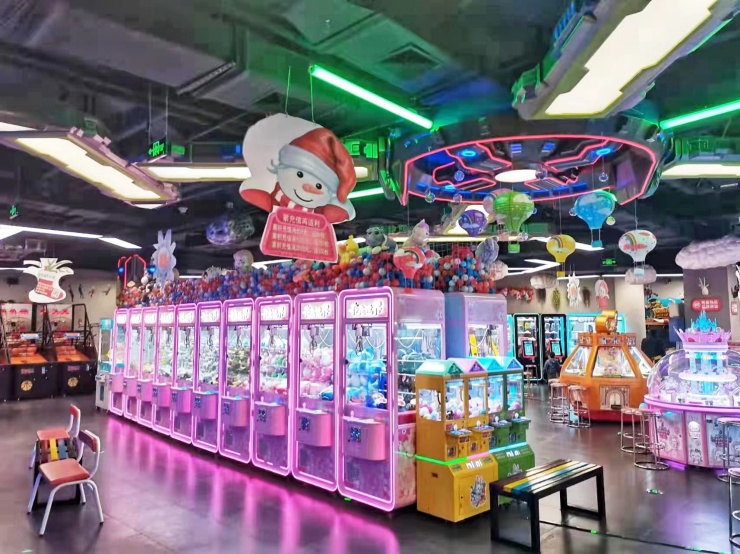
The game console market has always been a highly competitive industry, with developers battling it out for dominance in the gaming world. As technology has advanced, the games that are available on consoles have become more complex, immersive and lifelike, and the consoles themselves have become more powerful to handle these demands. However, the console market is currently experiencing a downturn, with sales dropping in recent years. Here we explore the current state of the game console market, and what factors are influencing its performance.
What is the Current Game Console Market Trends
The video game console market is dominated by three main players; Sony, Microsoft and Nintendo. Sony’s PlayStation series, Microsoft’s Xbox series, and Nintendo’s Switch all hold significant market share, with each offering its own set of features and games. However, the market for traditional consoles is stagnant, with sales dropping year on year. Data from the NPD Group, which tracks the game industry, shows that the overall hardware sales in the US slumped by 42% in June 2021 compared to the same period in 2020.
The onset of the Covid-19 pandemic had initially driven a boom in sales for game consoles, as people looked for ways to keep themselves entertained while stuck at home. This was especially the case in the early months of the pandemic, where many people faced strict lockdowns or quarantines. However, as restrictions have eased in many parts of the world, sales have started to decline. According to NPD Group, overall spending in the video game industry decreased by 4% in June 2021 compared to the same month in 2020, with sales of new hardware - which includes consoles - dropping by 28%.
This drop in sales has been partly attributed to supply chain issues caused by the pandemic, with manufacturers struggling to keep up with demand due to factory shutdowns and shortages of raw materials. Additionally, the pandemic has caused significant disruption to the global shipping industry, with the cost of shipping goods shooting up as capacity has become limited. This has had a knock-on effect on the cost of manufacturing consoles, and ultimately on the price that consumers pay for them. The result is a situation where there is less demand for consoles, and consoles are more expensive to produce.
What Factors Influencing Game Console the Market
The game console market is a dynamic sector influenced by a variety of factors ranging from technological advancements to consumer behavior, industry competition, and global economic conditions. The interplay of these factors not only shapes the current landscape but also dictates the future trajectory of the market. Below is a comprehensive analysis of the key factors influencing the game console market.
1. Technological Advancements
One of the most significant drivers of the game console market is the rapid pace of technological advancements. Innovations in hardware, software, and cloud computing have transformed the gaming experience, leading to higher expectations from consumers.
Graphics and Performance: The demand for enhanced graphics and improved gaming performance has become paramount. Modern consoles, like the PlayStation 5 and Xbox Series X, leverage advanced processors and GPUs to provide stunning visuals and smoother gameplay, making powerful hardware a selling point.
Virtual Reality (VR) and Augmented Reality (AR): The integration of VR and AR technologies into consoles has opened up new gaming experiences. Companies are investing in responsive hardware and immersive software to capture segments of gamers interested in these technologies.
Online Gaming and Cloud Services: The rise of online gaming and the popularity of cloud gaming services have influenced console features. Services like Xbox Game Pass and PlayStation Plus offer subscription models that expand game libraries, driving the value proposition for potential console buyers.
2. Consumer Preferences
Understanding consumer preferences is vital for success in the game console market. Gamers have become more particular about what they want from their gaming experience.
Game Library: The availability of exclusive titles significantly influences console purchases. Exclusive offerings from platform holders can determine market share, as seen with franchises like “The Last of Us” on PlayStation and “Halo” on Xbox.
User Experience: Features like user interface, ease of use, and accessibility are crucial in shaping consumer preference. Consoles that provide a seamless user experience, quick loading times, and intuitive navigation are more likely to attract users.
Social Connectivity and Multiplayer Experience: The importance of social interactions in gaming cannot be overlooked. Consoles that offer robust online multiplayer capabilities and social features cater to a growing community of gamers who value shared experiences.
3. Market Competition
The game console market is characterized by intense competition among a few leading manufacturers such as Sony, Microsoft, and Nintendo.
Pricing Strategies: Pricing plays a critical role in determining a console's market position. Competitive pricing can attract price-sensitive consumers, while premium pricing models may target hardcore gamers willing to pay for advanced features.
Product Differentiation: Manufacturers constantly innovate to provide unique features and services, distinguishing their consoles from competitors. This includes unique controller designs, innovative peripherals, and exclusive gaming content.
Emergence of New Players: The recent entry of companies like Google with its Stadia platform and NVIDIA with GeForce Now has disrupted traditional approaches to gaming. These new entrants often focus on cloud-based models, challenging the notion of conventional console gaming.
4. Economic Factors
Global economic conditions significantly influence the game console market.
Discretionary Income: The overall economic environment affects consumers’ discretionary spending. In times of economic prosperity, consumers are more likely to invest in gaming consoles, whereas economic downturns can lead to decreased sales.
Supply Chain and Manufacturing Costs: License fees, tariffs, and material costs can influence pricing. For example, the ongoing global chip shortage has impacted the production capabilities of gaming consoles, leading to limited availability and inflated prices.
Regional Market Differences: Different regions have varied levels of consumer spending power, market maturity, and gaming culture. Manufacturers often tailor their marketing strategies to align with these region-specific factors.
5. Cultural and Social Trends
Gaming has evolved into a dominant form of entertainment, influenced by cultural and social trends.
Esports and Streaming: The rise of esports has turned gaming into a spectator sport, promoting consoles as platforms of choice for competitive play. This trend has led to manufacturers aligning their strategies with esports events, sponsoring tournaments, and promoting competitive gaming.
Social Media and Influencer Marketing: The impact of social media on gaming culture has been profound. Influencers and content creators play a significant role in shaping consumer perceptions and preferences, often driving sales through online promotions and gameplay showcases.
Diversity and Inclusion: Growing awareness and actions toward diversity and inclusion impact the types of games being developed and the marketing narratives employed by console manufacturers. This trend caters to a broader audience, promoting a more inclusive gaming environment.
6. Regulatory Environment
The regulatory landscape can impact the game console market in various ways.
Content Regulation: Different countries have specific regulations regarding content that can be featured in games. Compliance with these regulations can affect which titles are released on certain consoles in specific regions.
Trade Policies: Tariffs and taxes can influence production costs and the pricing of consoles. Changes in trade policies can have far-reaching effects on the global supply chain and market dynamics.
The game console market is a multifaceted environment influenced by a multitude of factors that must be understood by manufacturers, marketers, and industry stakeholders. With technological advancements shaping consumer expectations, fierce competition driving innovation, and economic factors affecting purchasing power, the industry must remain agile. Understanding and adapting to these influences is essential for companies to navigate the complexities of the game console market and capture the hearts and minds of gamers worldwide. As the landscape continues to evolve, those that prioritize consumer experience, embrace technological advancements, and respond swiftly to market trends will thrive in this competitive arena.

The Differences Between Arcade Game Token and Game Card or Wristband
Launch and Chuck E. Cheese to expand mall FECs offer entertainment